
1. Find the receiving clinic
Match the department in your existing referral to the hospital directory, then check the doctor's published scope and clinic schedule.
Department directory ↗Shanghai hospital guide
上海交通大学医学院附属上海儿童医学中心
Plan a visit to Shanghai Children's Medical Center in Shanghai: clinical services, campus choice, booking access, preparation and questions to confirm with the hospital.
Need help with appointment arrangements? Include your chosen hospitals and departments in an enquiry.
Match the department in your existing referral to the hospital directory, then check the doctor's published scope and clinic schedule.
Department directory ↗The hospital recommends the 上海儿童医学中心患者服务 WeChat account and also lists clinician-arranged follow-up, on-site and telephone booking. Its international-service lines include +86 21 3862 6948 / 6949 and specialist booking +86 21 3862 6141 / 6142. Confirm the clinic, campus, fees and language support for the chosen pathway.
Read appointment information ↗For your visit to Shanghai Children's Medical Center, keep your booking confirmation and original identity document available. Prepare a list of existing reports and your questions; send files only through a channel approved by the receiving team. Ask the clinician about any test preparation.
The booking guide requires the child's and accompanying parent's real names and valid document numbers, plus a contact number. A first-time patient without a hospital card must complete registration using the booking identity and confirmation. Passport holders should check the exact registration route with the hospital.
Identity-document instructions ↗Shanghai Children's Medical Center is listed here for Shanghai. Its entries in the 2023 specialty reputation archive include paediatrics, cardiac surgery, paediatric surgery. The specialty links below distinguish national ranks, regional ranks and nominations; they do not establish current clinic availability. Use the official reference to identify the institution and its current patient service.
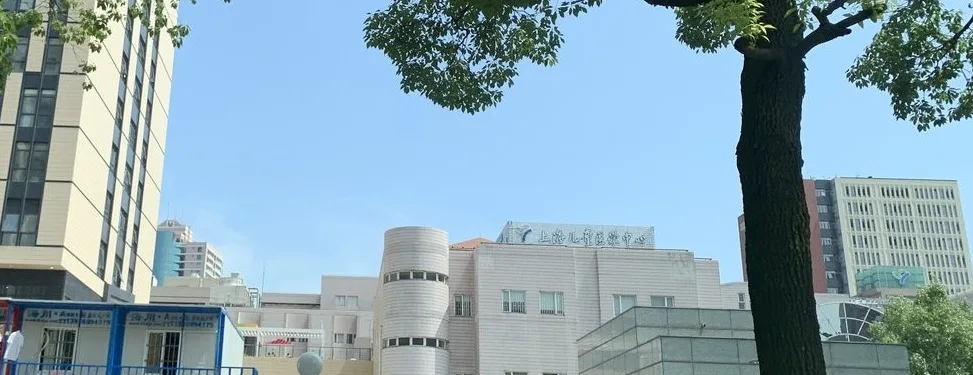
Browse department information and 2023 ranking specialty directions. A ranking direction may span several clinics; this is not the hospital's complete current directory. Confirm the receiving clinic and doctor schedule with the hospital.
Paediatric cardiology
Cardiology assesses congenital heart disease, childhood arrhythmias, cardiomyopathy, pulmonary hypertension and Kawasaki disease. The department describes echocardiography, catheter-based treatment, electrophysiology and pacemaker care when clinically indicated.
Bring echocardiograms, ECG or Holter results and a medication list; include device details if a pacemaker is already implanted. Ask whether the first visit is diagnostic review, catheter assessment or postoperative follow-up.
Official department information ↗Developmental and behavioural paediatrics
The service covers developmental and language delay, autism, ADHD, feeding problems, sleep difficulties, tic disorders and non-organic enuresis. Assessment may involve medical, family and behavioural support rather than a single diagnostic test.
Prepare earlier developmental assessments, school or nursery observations and the child's developmental timeline. Ask about assessment language, caregiver participation and appointment length, especially when travelling for several assessments.
Official department information ↗Neonatal care and high-risk infant follow-up
Neonatal care includes intensive care, general neonatal wards and family-care preparation before discharge. Separate follow-up clinics support premature or previously critically ill infants, including assessment of vaccination needs.
For follow-up, bring the birth and discharge summary, gestational age, growth records and vaccination history. A critically ill newborn needs clinician-to-clinician transfer and receiving-unit acceptance, not an ordinary outpatient booking.
Official department information ↗Respiratory, asthma and sleep care
The respiratory service covers ages 0–18, including difficult asthma, chronic cough, complex pneumonia, airway narrowing and sleep-related breathing disorders. It also provides lung-function, bronchoscopy and allergy-related assessment through its specialist teams.
Bring earlier chest imaging, lung-function or sleep studies and details of inhalers or respiratory support. Clarify which clinic is needed and whether an overnight sleep study or procedure requires a separate booking.
Official department information ↗Gastroenterology, liver and pancreatic disease
The department assesses inflammatory bowel disease, chronic diarrhoea, food-related gastrointestinal allergy, liver or bile-duct disease and recurrent pancreatitis. Its endoscopy service describes paediatric gastrointestinal endoscopy, ERCP and motility testing.
Bring growth records and earlier endoscopy, biopsy and imaging results. Ask whether the visit is a consultation or a booked procedure; fasting, bowel preparation, anaesthesia and medication instructions must come from the treating team.
Official department information ↗Paediatric nephrology
Nephrology treats childhood nephrotic syndrome, glomerulonephritis, IgA nephropathy, lupus-related kidney disease and inherited disorders such as Alport syndrome or renal tubular acidosis. Complex urinary infection, hypertension and difficult renal disease are also described.
Prepare dated urine and kidney-function results, blood-pressure records and any biopsy or genetic report. For a structural urinary-tract abnormality, ask whether nephrology, urology or both should review the child.
Official department information ↗Rheumatology, immune deficiency and allergy
The department has rheumatology, primary immune-deficiency and allergy pathways for children and adolescents. Published conditions include juvenile idiopathic arthritis, lupus, vasculitis, inherited immune disorders, food allergy and drug allergy, with multidisciplinary care for complex cases.
Bring the illness and infection timeline, immunology or genetic reports, and an accurate medication list. Distinguish allergy testing from an immune-deficiency review; challenge testing or advanced treatment requires separate clinical assessment.
Official department information ↗Paediatric neurology and epilepsy
Neurology covers seizures and epilepsy, tics, headache, central nervous system infection or inflammation, myasthenia, neuromuscular disease and developmental delay. Its epilepsy pathway works with neurosurgery, imaging and genetics for complex cases.
Bring EEG and brain-imaging files, earlier genetic results and a dated list of medicines tried. If useful and safely recorded, ask how to share an episode video with the clinical team. Do not change seizure medicines or start a therapeutic diet on your own.
Official department information ↗Endocrinology and inherited metabolic disease
The service treats short stature, early puberty, diabetes, thyroid and adrenal disorders, obesity and bone-metabolism problems. It also describes pituitary hormone deficiencies, differences of sex development and inherited metabolic conditions, including selected rare syndromes.
Bring the child's growth chart, bone-age images and dated hormone or metabolic tests, plus genetic reports if already available. Ask which subspecialty fits the established concern and whether any test needs a timed appointment.
Official department information ↗Clinical genetics and genetic counselling
The genetic diagnostic service supports assessment of inherited disorders, multiple congenital abnormalities, developmental delay and other complex paediatric conditions. Published patient routes include joint medical-genetics and genetic-counselling clinics, alongside laboratory testing.
Bring complete existing genetic reports, clinical assessments and relevant family history. Ask whether reinterpretation or additional testing is appropriate and how consent, samples and family-member testing are handled; avoid ordering a test solely from a directory description.
Official department information ↗Paediatric ophthalmology
Eye care for ages 0–18 includes strabismus and amblyopia, refraction and myopia management, tear-drainage problems, eyelid disorders and retinal disease in premature or young children. Complex eye-movement and eyelid conditions may need surgical assessment.
Bring current glasses and earlier vision, refraction and retinal screening results. For a premature infant, include birth and screening dates and ask the eye team about the required timing rather than postponing review for travel convenience.
Official department information ↗Paediatric dermatology
The department treats childhood eczema, urticaria, psoriasis, vitiligo, skin infections, birthmarks, scars and inherited or rare skin disorders. It describes selected continuity services for adults aged 18–35 with specified congenital, inherited, rare or tumour-related skin conditions.
Bring earlier biopsy or genetic reports and the names of treatments already used. Adults should confirm that their condition meets the continuity-service scope; age alone does not establish eligibility for a children's hospital appointment.
Official department information ↗Infectious disease and vaccination assessment
The infection service describes complex, resistant and severe infections, including infection associated with immune deficiency or transplantation. Its separate vaccination-assessment clinic advises on vaccination questions, underlying illness and suspected post-vaccination reactions.
For a planned opinion, bring dated infection tests, prior antimicrobial treatment and vaccination records. Ask about the appropriate reception route before arrival if infection may be contagious; a currently unwell child may need prompt local care.
Official department information ↗Child and adolescent mental health
The clinical psychology team includes psychiatrists and psychological therapists. Its scope includes neurodevelopmental difficulties, anxiety, depression, mood and behavioural problems, sleep disorders and eating disorders, with support for families.
Ask about assessment language, guardian participation, privacy and the correct campus. Bring prior assessments and medication history. Immediate danger, self-harm risk or severe deterioration requires urgent local help rather than waiting for an overseas appointment.
Official department information ↗Start with records you already have; do not arrange extra tests for an enquiry. The hospital confirms its own requirements.
Existing records: The child's earlier clinical records, growth/development information and previous operations or treatments.
When booking: Give the child's age and confirm paediatric medicine, surgery or a named subspecialty, plus guardian and identity requirements.
Next steps: Ask how examinations and follow-up are arranged and whether both consultation and procedures occur at the same campus.
Official hospital information ↗
Congenital heart surgery
The heart-surgery service focuses on neonatal and complex congenital heart disease, including staged single-ventricle surgery and congenital heart disease with airway narrowing. Surgical assessment is distinct from cardiology review or a catheter procedure.
Provide the latest cardiac imaging, earlier operation notes and the current cardiologist's referral through the agreed clinical route. Confirm acceptance, transfer safety and the intended stage of care before planning a prolonged stay.
Official department information ↗Start with records you already have; do not arrange extra tests for an enquiry. The hospital confirms its own requirements.
Existing records: Existing ECG/monitoring, echocardiography, angiography and any cardiac device or operation records.
When booking: Distinguish cardiology, cardiac surgery and children's heart care. State whether you need an initial opinion, device review or follow-up.
Next steps: Ask whether tests and clinical review occur on different days and who will manage follow-up after your return.
Official hospital information ↗
Find these departments on the hospital website
Paediatric general surgery
General surgery includes neonatal malformations, liver and biliary disease, solid tumours, vascular conditions and minimally invasive surgery. It describes multidisciplinary tumour care and cooperation with Renji Hospital for paediatric liver transplantation.
Bring prior imaging, pathology and operation records and confirm the relevant surgical team. A transplant-related consultation needs a separate referral and eligibility review; it does not establish transplant acceptance or donor arrangements.
Official department information ↗Paediatric neurosurgery
Neurosurgery treats congenital brain and spinal abnormalities, hydrocephalus, tethered cord, craniosynostosis and brain or spinal tumours. It also describes vascular surgery for childhood moyamoya, vascular malformations and aneurysms, with multidisciplinary assessment where needed.
Bring original MRI/CT files and earlier surgery or shunt information. Specify whether the question concerns a congenital abnormality, tumour or seizure surgery so the hospital can identify the appropriate team and campus.
Official department information ↗Paediatric orthopaedics
The department covers ages 0–18 with specialist areas for spine, hip, foot and ankle, sports injury, limb-length or alignment differences, neuromuscular conditions, hand/foot abnormalities and bone tumours. Care may involve correction, reconstruction and rehabilitation planning.
Bring serial imaging, growth information and earlier brace, operation or rehabilitation records. For a child who uses mobility aids, describe transfer needs and ask how postoperative review and rehabilitation could continue at home.
Official department information ↗Paediatric urology
Urology assesses congenital kidney or ureter abnormalities, hypospadias, genital abnormalities, urinary stones and urinary-system tumours. It also describes urodynamic assessment and care for bladder/bowel dysfunction alongside reconstructive and endoscopic surgery.
Bring urinary ultrasound, earlier urine cultures, renal-function results and any prior operation notes. State whether the concern is structural or functional and ask if additional tests must precede a surgical opinion.
Official department information ↗Paediatric ENT, hearing and sleep
ENT has pathways for sleep-disordered breathing, hearing loss, nasal allergy, airway disease, ear abnormalities and head/neck tumours. Hearing care includes infant testing, hearing-aid fitting and cochlear-implant assessment; sleep care involves a multidisciplinary team.
Bring hearing tests, device details or sleep-study results relevant to the concern. Ask whether testing and specialist review need separate slots, and plan ongoing hearing or speech rehabilitation before considering implant surgery away from home.
Official department information ↗Burns, scars and reconstruction
The service covers burns and scalds, traumatic or complex chronic wounds, hypertrophic scars, scar contractures and selected surface lesions in children aged 0–18. Reconstructive planning considers both function and appearance as the child grows.
For later scar or reconstruction review, bring the original injury and operation records, treatment history and mobility limitations. Fresh serious burns need immediate local treatment; reconstruction enquiries should not delay urgent care.
Official department information ↗Functional neurosurgery and epilepsy surgery
The functional-neurology service focuses on childhood epilepsy, movement disorders and spastic cerebral palsy. Its epilepsy centre combines preoperative neurological, imaging and electrophysiological assessment with selected surgical or neuromodulation options and rehabilitation.
Bring complete treatment and EEG/imaging records, including any previous surgery. Clarify whether the visit is for medical review or surgical candidacy; evaluation may require multiple appointments and does not guarantee an operation or device treatment.
Official department information ↗Start with records you already have; do not arrange extra tests for an enquiry. The hospital confirms its own requirements.
Existing records: The child's earlier clinical records, growth/development information and previous operations or treatments.
When booking: Give the child's age and confirm paediatric medicine, surgery or a named subspecialty, plus guardian and identity requirements.
Next steps: Ask how examinations and follow-up are arranged and whether both consultation and procedures occur at the same campus.
Official hospital information ↗
Hospital charges are separate from our coordination fee. Compare costs for the same clinic, campus and service pathway, and ask the hospital for an estimate that includes planned tests and follow-up.
Check passport registration, phone and language requirements, then the registration or consultation fee, doctor category and cancellation conditions. Confirm separate test, medicine and treatment charges.
Confirm the specialty, campus, consultation charge and any separate language-support fee. Ordinary outpatient prices do not establish the total for this pathway.
Check direct billing, pre-authorisation, deposits, your own contribution, payment methods and receipts with the hospital and insurer. Request a dated estimate with currency and inclusions.
Check the clinic's age limits, guardian documentation and whether the consultation and any tests use the same campus. Plan time for the family to collect results and receive the clinician's follow-up instructions.
Use the official confirmation to organise each step; keep any unresolved arrangements on a separate checklist.
Hospital and specialty-level results, not a rating of an individual doctor or campus. Nominations have no numerical rank.
Read the Shanghai city guide →
Independent planning information. Listing a hospital does not imply a partnership, endorsement or guaranteed access. Hospitals decide whether they can accept a request and which clinical services are appropriate.
Your next step
Tell us what help you need. City and dates can be decided later. We aim to reply within 24 hours, Monday–Sunday, Beijing time (UTC+8).
No booking or payment is made by enquiring. Please do not send medical records or passport copies by email or WeChat.