
1. Find the receiving clinic
Match the department in your existing referral to the hospital directory, then check the doctor's published scope and clinic schedule.
Official hospital information ↗Shanghai hospital guide
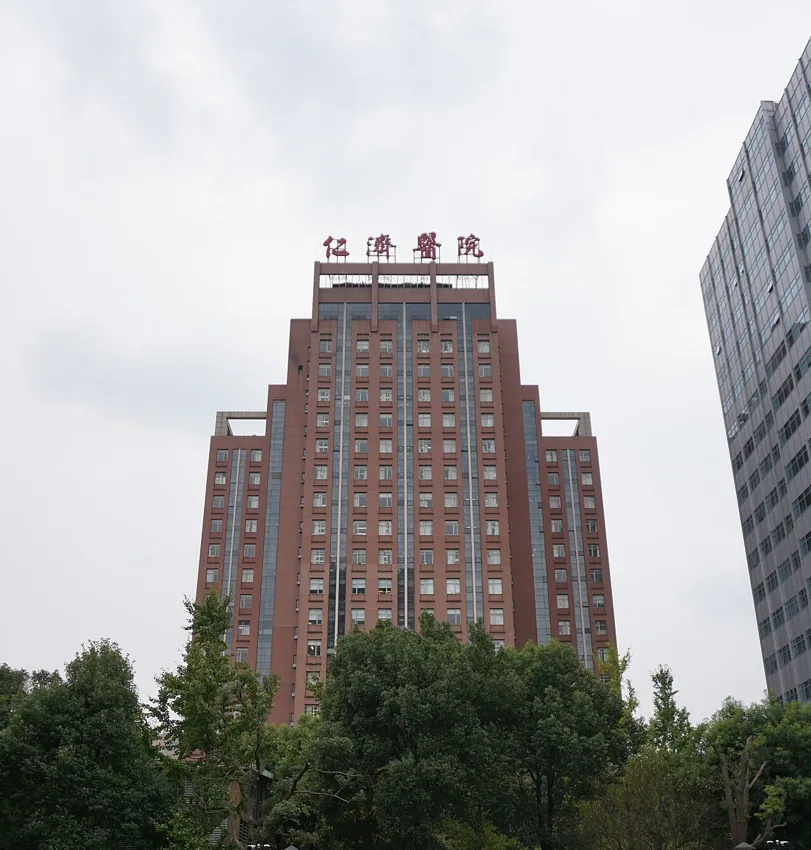
上海交通大学医学院附属仁济医院
Plan a visit to Renji Hospital, Shanghai Jiao Tong University School of Medicine in Shanghai: clinical services, campus choice, booking access, preparation and questions to confirm with the hospital.
Need help with appointment arrangements? Include your chosen hospitals and departments in an enquiry.
Match the department in your existing referral to the hospital directory, then check the doctor's published scope and clinic schedule.
Official hospital information ↗The international-service contact is +86 21 6838 3408 or renji_clinic@renji.com, Monday–Saturday 08:00–17:00. The municipal guide lists reception at floor 1, Building 15, 33 Beiyuan Road in Pudong. Confirm the receiving specialist and campus; Renji's other sites are not interchangeable.
Read appointment information ↗Organise prior endoscopy, imaging or laboratory reports relevant to the intended clinic. If you need a procedure rather than a consultation, ask about the separate assessment and scheduling process.
Renji's official profile describes a broad general hospital with gastroenterology, rheumatology, liver surgery, urology, reproductive medicine and cardiovascular services. For a continuing-care visit, the exact specialty matters: general gastroenterology, liver surgery and a procedure appointment are different requests.
Browse department information and 2023 ranking specialty directions. A ranking direction may span several clinics; this is not the hospital's complete current directory. Confirm the receiving clinic and doctor schedule with the hospital.
Urology and its subspecialties
The department separates kidney, prostate and bladder tumours, urinary stones, andrology, voiding disorders, urinary reconstruction, paediatric urology and transplant care. Its profile describes a shift of the main clinical focus to the West campus.
Choose the subspecialty matching the existing diagnosis. Bring imaging, pathology and previous procedure records; check the exact campus before travel, especially for a repeat visit after treatment elsewhere.
Official department information ↗Start with records you already have; do not arrange extra tests for an enquiry. The hospital confirms its own requirements.
Existing records: Existing urinary-system scans, prior procedures, pathology and any stent/catheter or implant details.
When booking: Confirm stones, prostate, urinary cancer, urinary control, andrology or children's urology using the existing diagnosis.
Next steps: Ask whether investigation, intervention and later device removal require separate visits; do not assume a short stay covers the full sequence.
Official department information ↗
Find these departments on the hospital website
Gastroenterology and digestive endoscopy
Clinical interests include inflammatory bowel disease, autoimmune and drug-related liver disease, Helicobacter pylori, small-bowel bleeding and early digestive cancers. The endoscopy service describes capsule and small-bowel endoscopy, ultrasound endoscopy, ERCP and endoscopic lesion removal.
Bring previous endoscopy images and biopsy reports, not just the final diagnosis. Explain whether you need a consultation, review of a lesion or a planned procedure; the first appointment does not itself reserve an endoscopy slot.
Official department information ↗Biliary and pancreatic surgery
The department treats biliary and pancreatic tumours and bile-duct stones, with surgical and endoscopic approaches. Its East, West and South campus teams have different emphases, including biliary/pancreatic disease, retroperitoneal tumours and broader general surgery.
Bring CT/MRI images and any ERCP, drainage or previous surgery records. Identify the organ and the question to be reviewed so the appointment is routed to the appropriate campus team.
Official department information ↗Liver surgery
The liver-surgery profile describes surgical and combined treatment of liver cancer and advanced liver disease, alongside adult and paediatric liver-transplant expertise. Transplant evaluation follows a separate clinical and eligibility pathway.
For a surgical opinion, prepare liver imaging, liver-function trends and previous treatment records. Ask which team reviews the case and whether pathology review is needed; transplant suitability or access cannot be inferred from this profile.
Official department information ↗Start with records you already have; do not arrange extra tests for an enquiry. The hospital confirms its own requirements.
Existing records: Existing endoscopy and pathology, abdominal images, relevant laboratory results and prior treatment records.
When booking: Clarify digestive medicine, liver care or gastrointestinal/hepatobiliary surgery. Ask whether endoscopy requires an initial consultation.
Next steps: Confirm preparation and any anaesthetic/escort requirements with the hospital. Results and clinical review may be scheduled after the procedure day.
Official department information ↗
Find these departments on the hospital website
Critical care and organ support
The ICU's clinical areas include sepsis, severe infection, acute respiratory failure, organ support and critically ill pregnant or postpartum patients. It also supports complex liver-disease patients around surgery.
This is an inpatient care pathway, not a routine appointment service. Any transfer needs direct agreement between the treating and receiving clinical teams, including transport safety and an available bed; an enquiry does not arrange emergency admission.
Official department information ↗Start with records you already have; do not arrange extra tests for an enquiry. The hospital confirms its own requirements.
Existing records: Current treatment and transfer documents are exchanged between the treating and receiving clinical teams.
When booking: ICU is an inpatient service, not a routine outpatient appointment. Bed availability and safe transfer require clinical agreement.
Next steps: For emergencies in China call 120. Do not wait for a coordination enquiry or arrange an independent transfer on the basis of a directory entry.
Official hospital information ↗
Find these departments on the hospital website
Reproductive medicine and fertility preservation
The reproductive centre describes infertility assessment, assisted reproduction and fertility preservation and reconstruction. Its clinical pathway is distinct from the hospital's recurrent-miscarriage and reproductive-immunology services.
Prepare both partners' previous investigations and any treatment-cycle summaries. Confirm eligibility documents, required attendance and cycle timing with the centre before booking travel; an initial consultation does not guarantee a treatment cycle.
Official department information ↗Start with records you already have; do not arrange extra tests for an enquiry. The hospital confirms its own requirements.
Existing records: Existing gynaecological, pregnancy or fertility records, relevant images and previous procedures.
When booking: Distinguish gynaecology, obstetrics and reproductive medicine. State gestational timing or the stage of an existing treatment plan where relevant.
Next steps: Ask about registration and identity requirements before travel. Tests, cycle-based care and delivery arrangements cannot be secured through one general appointment.
Official hospital information ↗
Find these departments on the hospital website
Kidney disease, dialysis and follow-up
Dedicated clinics cover lupus nephritis, difficult kidney disease, diabetic kidney disease, chronic kidney disease, peritoneal-dialysis follow-up and post-transplant follow-up. The department provides haemodialysis and peritoneal-dialysis care across its campus network.
Bring renal-function trends, urine tests, kidney-biopsy results and your full medication list. If travelling while on dialysis, obtain acceptance of the treatment schedule and prescription in advance; a kidney-clinic booking is not a dialysis reservation.
Official department information ↗Start with records you already have; do not arrange extra tests for an enquiry. The hospital confirms its own requirements.
Existing records: Dated kidney-function and urine results, any biopsy report, and dialysis or transplant records if applicable.
When booking: Confirm nephrology rather than urology when following an existing kidney-medicine referral. State any need to continue dialysis while away.
Next steps: A clinic visit does not reserve dialysis. Agree receiving arrangements, sessions, supplies and record transfer before travel.
Official hospital information ↗
Find these departments on the hospital website
Neurosurgery subspecialty assessment
Teams cover brain tumours, cerebrovascular disease, functional neurosurgery, spine and spinal cord disorders, and paediatric neurosurgery. The profile specifically describes difficult epilepsy and movement-disorder surgery, alongside endoscopic and microsurgical work.
State the diagnosis and the reason for a surgical opinion. Bring original MRI/CT, previous operative and pathology reports, and EEG or treatment history where relevant; ask which subspecialty should review the case first.
Official department information ↗Start with records you already have; do not arrange extra tests for an enquiry. The hospital confirms its own requirements.
Existing records: Original brain/spine images, existing EEG or nerve studies, and a timeline of treatment or operations.
When booking: Confirm neurology, neurosurgery or rehabilitation and the relevant disease group; a scan finding alone does not choose the clinic.
Next steps: Ask about mobility assistance, an accompanying person and arrangements for additional investigations. Sudden neurological symptoms need urgent assessment.
Official hospital information ↗
Find these departments on the hospital website
Anaesthesia for complex and day surgery
The anaesthesia service supports major adult and paediatric operations, liver and kidney transplantation, day surgery and high-risk obstetric care. Its role is perioperative assessment and anaesthetic management within the relevant treatment pathway.
Ask the operating or procedure team when pre-anaesthetic assessment is required. Bring earlier anaesthetic difficulties, allergy details and current prescriptions; obtain fasting and medication instructions from the treating team rather than stopping medicines yourself.
Official department information ↗Start with records you already have; do not arrange extra tests for an enquiry. The hospital confirms its own requirements.
Existing records: The planned procedure, current medicines and allergies, and previous anaesthetic or airway problems.
When booking: Ask the procedural team how pre-anaesthetic assessment is booked and whether a separate clinic is required.
Next steps: Obtain fasting, medicine, escort and recovery instructions from the hospital for the exact procedure; do not apply a generic preparation schedule.
Official hospital information ↗
Find these departments on the hospital website
Clinical pharmacy and medication review
Clinical pharmacy includes anti-infective, anticoagulation, oncology, endocrine and immune-related medication support. The department describes medicine counselling, pharmacy clinics and participation in multidisciplinary care.
Bring a single list of prescription medicines, supplements, doses and suspected reactions, including packaging for medicines bought abroad. Confirm how to access pharmacist review; advice does not guarantee that an overseas product is stocked or can be dispensed.
Official department information ↗Start with records you already have; do not arrange extra tests for an enquiry. The hospital confirms its own requirements.
Existing records: A complete medicine/supplement list with doses, original labels if available, and any recorded adverse reactions.
When booking: Confirm a patient-facing pharmacist clinic and whether a referral is needed. Medicine dispensing and medication review are different services.
Next steps: Ask how the pharmacist's review is shared with the prescriber and what follow-up is available; treatment changes remain a clinical decision.
Official hospital information ↗
Find these departments on the hospital website
Health assessment and post-check-up review
The centre operates across the East, West and South campuses and describes pre-check-up consultation, post-check-up report review and multidisciplinary consultation for findings needing further assessment. Organ-specific assessments include digestive, urinary, cardiovascular and metabolic concerns.
Bring previous screening results so the clinician can tailor the assessment. Ask which tests are justified, what preparation is needed and how abnormal findings will be followed up; a broad package is not automatically the right choice.
Official department information ↗Start with records you already have; do not arrange extra tests for an enquiry. The hospital confirms its own requirements.
Existing records: Previous screening results, existing diagnoses, current medicines and any employer or insurer form.
When booking: Clarify screening versus assessment of an existing problem, package exclusions, report language and any identity requirements.
Next steps: Ask about preparation, report delivery, clinician interpretation and the route for any further referral before purchasing a package.
Official hospital information ↗
Find these departments on the hospital website
Clinical laboratory testing
The laboratory covers biochemistry and mass spectrometry, immunology, microbiology, haematology and molecular diagnostics. Campus laboratories share management while some tests differ according to local clinical services.
Use the ordering clinician's exact test request and confirm the collection campus, preparation and report timing. For overseas results, retain units and reference ranges; do not assume an outside sample can be delivered without prior agreement.
Official department information ↗Start with records you already have; do not arrange extra tests for an enquiry. The hospital confirms its own requirements.
Existing records: The clinician's exact test request and earlier comparable results, with dates and units.
When booking: Confirm sampling location, appointment requirements and any preparation directly with the laboratory or requesting team.
Next steps: Ask about processing time, online/printed results and the clinician responsible for interpretation. A laboratory listing is not a consultation.
Official hospital information ↗
Find these departments on the hospital website
Emergency and acute medical care
The emergency service describes care for serious digestive and cardiovascular emergencies, abdominal pain, poisoning, shock and organ failure. Its profile identifies emergency, resuscitation and inpatient pathways at the Pudong and Minhang South campuses.
For an emergency in China, call 120 or use the nearest emergency service. Do not wait for a coordination reply or travel across the city for a preferred hospital; clinical triage determines the appropriate route.
Official department information ↗Start with records you already have; do not arrange extra tests for an enquiry. The hospital confirms its own requirements.
Existing records: If readily available, identity and current medicines/allergies can help the emergency team; do not delay urgent care to collect records.
When booking: Emergency care uses clinical triage rather than a planned specialist booking. In China call 120 when emergency assistance is needed.
Next steps: Any onward transfer or ICU admission is organised by clinical teams. This website does not dispatch emergency care.
Official hospital information ↗
Find these departments on the hospital website
Nuclear imaging and radionuclide therapy
The department describes PET/CT, PET/MR and SPECT examinations, including kidney, myocardial perfusion and bone imaging. Its treatment service includes radioiodine for hyperthyroidism and differentiated thyroid cancer, with dedicated radiation-protection facilities.
Provide the clinician's question, prior imaging and treatment history. Confirm the exact tracer or therapy, preparation and radiation-safety instructions with the department; specialised tracers mentioned in research are not a promise of routine availability.
Official department information ↗Start with records you already have; do not arrange extra tests for an enquiry. The hospital confirms its own requirements.
Existing records: The exact requested study or treatment, earlier images/reports and relevant current treatment information.
When booking: Distinguish diagnostic imaging from radionuclide treatment and confirm the exact campus and clinical prerequisites.
Next steps: Obtain procedure-specific preparation, radiation-safety and onward-travel instructions from the hospital before finalising the trip.
Official hospital information ↗
Find these departments on the hospital website
Gynaecology, high-risk obstetrics and recurrent loss
The obstetrics and gynaecology service describes complex gynaecological tumours, high-risk pregnancy, pregnancy complicated by heart disease and reproductive immunology, including recurrent miscarriage. These are separate clinical questions requiring the appropriate team.
State whether you need tumour assessment, pregnancy care or review after pregnancy losses. Bring gestational records or a dated pregnancy history and related test results; confirm referral arrangements for complex pregnancy before travel.
Official department information ↗Start with records you already have; do not arrange extra tests for an enquiry. The hospital confirms its own requirements.
Existing records: Existing gynaecological, pregnancy or fertility records, relevant images and previous procedures.
When booking: Distinguish gynaecology, obstetrics and reproductive medicine. State gestational timing or the stage of an existing treatment plan where relevant.
Next steps: Ask about registration and identity requirements before travel. Tests, cycle-based care and delivery arrangements cannot be secured through one general appointment.
Official hospital information ↗
Find these departments on the hospital website
Rheumatology and complex immune disease
The rheumatology service manages difficult and severe immune-mediated disease, with systemic lupus erythematosus and dermatomyositis specifically described in its clinical profile. It has inpatient and intensive-care support for complex rheumatic illness.
Bring the timeline of organ involvement, antibody and imaging results, and previous immunosuppressive treatments or infections. Ask whether a routine specialist visit or coordinated review with another organ specialty is needed; trials are separate from routine care.
Official department information ↗Start with records you already have; do not arrange extra tests for an enquiry. The hospital confirms its own requirements.
Existing records: Previous diagnosis, antibody/laboratory results, relevant images or biopsies and a treatment timeline.
When booking: Ask whether the referral belongs in general rheumatology, a named disease clinic or a joint assessment with another department.
Next steps: Discuss how ongoing treatment and monitoring can continue after travel, including which clinician receives new results.
Official hospital information ↗
Find these departments on the hospital website
Radiology and review of existing scans
Alongside CT and MRI, the department describes dedicated image-review clinics. Its clinical areas include neurological, cardiovascular and tumour imaging, with evaluation of infection and inflammatory disease.
For a second reading, bring complete DICOM images, the original report and earlier comparison scans. Confirm that the chosen clinic reviews external images and how the opinion is returned; a report alone may not be sufficient.
Official department information ↗Start with records you already have; do not arrange extra tests for an enquiry. The hospital confirms its own requirements.
Existing records: The requested examination, earlier original images and reports, plus any implant information relevant to screening.
When booking: Confirm CT, MRI, plain imaging or an interventional opinion and whether the request must be issued by a hospital clinician.
Next steps: Ask about contrast/safety preparation, image export and report review. A scan slot does not include an intervention or a specialist diagnosis.
Official hospital information ↗
Find these departments on the hospital website
Allergy assessment
The allergy service covers respiratory, skin, food and drug allergy, including allergic rhinitis, asthma, urticaria and angioedema. It describes skin testing, patch testing and supervised challenge evaluation as parts of a condition-specific assessment.
Record the suspected trigger, timing and nature of reactions, with photographs or earlier test results where available. Ask the clinic about medication preparation; do not try a suspected allergen or stop prescribed medicines on your own.
Official department information ↗Start with records you already have; do not arrange extra tests for an enquiry. The hospital confirms its own requirements.
Existing records: Previous reaction and testing records, relevant medicines and any existing emergency-management instructions.
When booking: Confirm the patient's age and whether the clinic covers nasal, skin, respiratory, food or medicine-related allergy.
Next steps: Ask about test preparation directly with the team; do not stop medicines or try an exposure yourself to prepare for the visit.
Official hospital information ↗
Find these departments on the hospital website
Medical oncology and treatment coordination
The oncology department describes coordinated care for solid tumours, including individualised systemic treatment and follow-up. Its service also includes selected biopsy procedures and implanted infusion-port placement and maintenance.
Prepare pathology, molecular results and a dated record of all treatment cycles and adverse effects. Distinguish a second opinion from continuation of treatment or port care so the team can confirm the right appointment and prerequisites.
Official department information ↗Radiotherapy planning
The radiotherapy department describes disease-focused teams for chest, head and neck, breast, digestive, urinary, liver, gynaecological and neurological tumours, using external-beam and selected brachytherapy techniques.
Bring staging scans, pathology and any previous radiotherapy plan with dose information. Confirm the assessment, simulation and treatment sequence, especially for repeat irradiation; a consultation does not reserve an immediate treatment course.
Official department information ↗Start with records you already have; do not arrange extra tests for an enquiry. The hospital confirms its own requirements.
Existing records: Existing pathology, original staging images and a dated list of treatments and medicines.
When booking: Ask whether the first visit is organ-specific surgery, medical oncology, radiotherapy or pathology review, and whether records need review first.
Next steps: Allow for pathology review and separate treatment planning. Confirm how the receiving team will communicate with your usual clinician.
Official hospital information ↗
Find these departments on the hospital website
General practice for unclear or multiple concerns
General practice offers a starting point when the appropriate specialty is unclear, alongside chronic-disease and multiple-medication clinics. The profile describes integrated care for hypertension, diabetes, coronary disease, osteoporosis and chronic lung disease.
List your main questions in order of importance and bring a concise medical history and all medicines. Ask for an agreed follow-up and referral plan rather than booking several unrelated specialists before an initial assessment.
Official department information ↗Start with records you already have; do not arrange extra tests for an enquiry. The hospital confirms its own requirements.
Existing records: A short list of the questions to resolve, existing diagnoses, medicines and relevant earlier results.
When booking: Confirm whether the clinic accepts first visits, provides continuing care or primarily receives referrals from community services.
Next steps: Ask how recommendations, further tests and specialist referrals will be coordinated, and who will follow up results.
Official hospital information ↗
Find these departments on the hospital website
Joint and sports-injury care
The department combines joint surgery, sports medicine and trauma care. Its profile describes hip and knee replacement, joint-preserving treatment, arthroscopy and complex fracture care, with campus-specific subspecialty arrangements.
Bring injury and rehabilitation history plus original X-rays or MRI. State whether the goal is return to sport, joint preservation or review of a previous operation, and confirm the matching clinic and campus.
Official department information ↗Start with records you already have; do not arrange extra tests for an enquiry. The hospital confirms its own requirements.
Existing records: Existing images, operation notes, implant details and previous rehabilitation records.
When booking: Identify the body area and whether the purpose is spine, joint, trauma, sports injury or revision-surgery review.
Next steps: Ask how imaging, surgical review and rehabilitation connect, including mobility needs and the likely number of visits.
Official hospital information ↗
Find these departments on the hospital website
Hereditary angioedema within allergy care
Hereditary angioedema is explicitly included in the allergy department's clinical scope. This is a specific rare-disease route, rather than a general service for every rare condition.
For a planned assessment, bring records of swelling episodes, family history and previous complement or genetic testing if already performed. Throat swelling or breathing difficulty requires immediate emergency care, not an outpatient booking.
Official department information ↗Start with records you already have; do not arrange extra tests for an enquiry. The hospital confirms its own requirements.
Existing records: A concise diagnostic timeline, existing genetic/pathology reports and previous specialist opinions.
When booking: Ask which disease or organ team accepts the case and whether records should be reviewed before a multidisciplinary appointment.
Next steps: Confirm who coordinates further review, counselling and follow-up. A rare-disease designation does not mean every rare condition is treated there.
Official hospital information ↗
Find these departments on the hospital website
Cardiology subspecialty clinics
The cardiology service has centres for coronary disease, electrophysiology and pacing, heart failure, pulmonary vascular disease, structural heart disease, hypertension and cardiac rehabilitation.
Match the visit to the existing cardiac problem and bring ECG, echocardiography and any catheter or implanted-device records. Confirm the campus and team; new severe chest pain, fainting or breathing difficulty belongs in urgent assessment.
Official department information ↗Start with records you already have; do not arrange extra tests for an enquiry. The hospital confirms its own requirements.
Existing records: Existing ECG/monitoring, echocardiography, angiography and any cardiac device or operation records.
When booking: Distinguish cardiology, cardiac surgery and children's heart care. State whether you need an initial opinion, device review or follow-up.
Next steps: Ask whether tests and clinical review occur on different days and who will manage follow-up after your return.
Official hospital information ↗
Find these departments on the hospital website
Cardiac and aortic surgery
The surgical service describes coronary bypass, valve surgery and aortic disease treatment, including selected minimally invasive, catheter-based and hybrid approaches. The choice depends on clinical assessment, not simply on a preferred technique.
Bring coronary angiography, echocardiography or aortic CT as relevant, plus prior operations and current medicines. Ask about the rationale for the proposed approach, preoperative assessment and follow-up arrangements before scheduling travel.
Official department information ↗Start with records you already have; do not arrange extra tests for an enquiry. The hospital confirms its own requirements.
Existing records: Existing ECG/monitoring, echocardiography, angiography and any cardiac device or operation records.
When booking: Distinguish cardiology, cardiac surgery and children's heart care. State whether you need an initial opinion, device review or follow-up.
Next steps: Ask whether tests and clinical review occur on different days and who will manage follow-up after your return.
Official hospital information ↗
Find these departments on the hospital website
Hospital charges are separate from our coordination fee. Compare costs for the same clinic, campus and service pathway, and ask the hospital for an estimate that includes planned tests and follow-up.
Check passport registration, phone and language requirements, then the registration or consultation fee, doctor category and cancellation conditions. Confirm separate test, medicine and treatment charges.
Confirm the specialty, campus, consultation charge and any separate language-support fee. Ordinary outpatient prices do not establish the total for this pathway.
Check direct billing, pre-authorisation, deposits, your own contribution, payment methods and receipts with the hospital and insurer. Request a dated estimate with currency and inclusions.
Confirm the East, South or other site for the named clinic. For digestive or reproductive-medicine enquiries, ask about the first assessment and any eligibility or preparation checks before booking additional visits.
Use the official confirmation to organise each step; keep any unresolved arrangements on a separate checklist.
Hospital and specialty-level results, not a rating of an individual doctor or campus. Nominations have no numerical rank.
Read the Shanghai city guide →
Independent planning information. Listing a hospital does not imply a partnership, endorsement or guaranteed access. Hospitals decide whether they can accept a request and which clinical services are appropriate.
Your next step
Tell us what help you need. City and dates can be decided later. We aim to reply within 24 hours, Monday–Sunday, Beijing time (UTC+8).
No booking or payment is made by enquiring. Please do not send medical records or passport copies by email or WeChat.
