
1. Find the receiving clinic
Match the department in your existing referral to the hospital directory, then check the doctor's published scope and clinic schedule.
Department directory ↗Guangzhou hospital guide
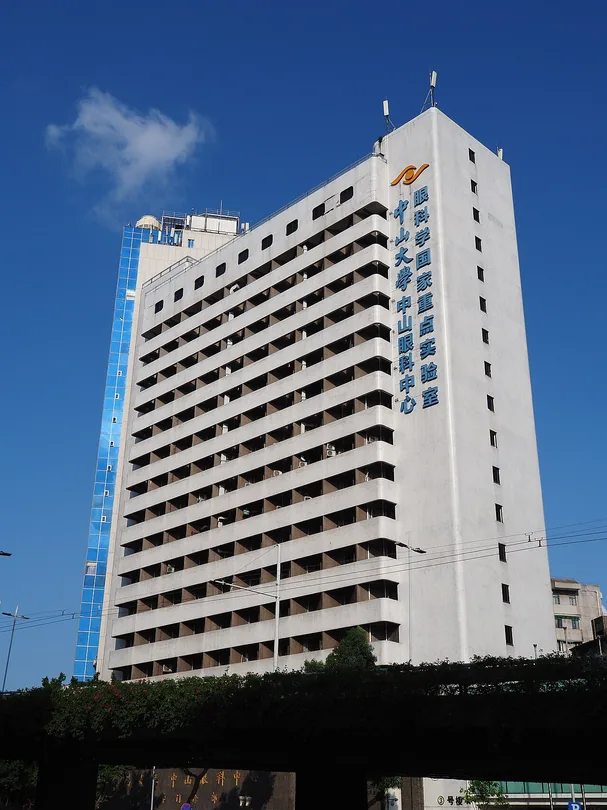
中山大学中山眼科中心
Plan a visit to Zhongshan Ophthalmic Center, Sun Yat-sen University in Guangzhou: clinical services, campus choice, booking access, preparation and questions to confirm with the hospital.
Need help with appointment arrangements? Include your chosen hospitals and departments in an enquiry.
Match the department in your existing referral to the hospital directory, then check the doctor's published scope and clinic schedule.
Department directory ↗Use the 中山大学中山眼科中心 WeChat service account or official app. Appointments are in the patient's own identity, including children, using an identity card or other valid document. For help with passport registration or clinic selection, contact +86 20 6660 7666; check the live booking system for release times and availability.
Read appointment information ↗Bring previous eye reports and ask which original images are useful. Confirm any examination-specific instructions and whether the clinic recommends an escort for the return journey.
Zhongshan Ophthalmic Center is a specialist eye institution with different subspecialties distributed across its two campuses. Its own patient guide distinguishes cataract, glaucoma, corneal and retinal services from areas such as strabismus, ocular inflammation and orbital disease. The exact eye specialty determines where to start.
Browse department information and 2023 ranking specialty directions. A ranking direction may span several clinics; this is not the hospital's complete current directory. Confirm the receiving clinic and doctor schedule with the hospital.
Cataract and lens surgery
The cataract service covers routine and complex cataract, including congenital cataract, dislocated lenses or implants, and cataract after corneal refractive or vitreoretinal surgery. It describes micro-incision and day-surgery pathways.
Bring previous eye-operation records and any implant details. Explain whether the priority is visual recovery, lens displacement or a second opinion; lens selection and suitability for day surgery require an examination.
Official department information ↗Glaucoma
The glaucoma department assesses complex and referred glaucoma and provides individualised medical and surgical management. Its care includes minimally invasive surgery and longer-term follow-up rather than a single pressure measurement alone.
Prepare earlier visual-field tests, optic-nerve scans, eye-pressure records and the names of all eye drops. Ask how follow-up can continue after returning home; do not stop prescribed drops for a visit unless the clinical team instructs you.
Official department information ↗Cornea and ocular surface
The service covers infectious keratitis, keratoconus, corneal dystrophies, immune-related corneal disease, complex dry eye and chemical or thermal injury. Published clinics include dry eye, ocular graft-versus-host disease and paediatric cornea, with corneal transplantation and ocular-surface reconstruction assessed separately.
For a planned review, bring corneal imaging, microbiology results and prior treatment details if available. Mention contact-lens use and earlier transplantation. A consultation does not reserve donor tissue or a transplant date.
Official department information ↗Retina — Zhujiang New Town campus
The Zhujiang New Town retina service describes macular disease, retinal detachment, diabetic retinopathy, high-myopia-related fundus disease and complex congenital eye conditions. Treatment options include vitreoretinal surgery, scleral buckling and intravitreal injections following assessment.
Bring dated OCT/retinal images and records of previous injections or surgery. Check that the appointment is at Zhujiang New Town. Sudden loss of vision or a new curtain-like shadow needs urgent local eye assessment, not a routine travel enquiry.
Official department information ↗Retina — Quzhuang campus
The Quzhuang retina department lists retinal detachment, macular disease, diabetic retinopathy, retinal vascular occlusion, choroidal vascular disease, pathological myopia and optic-nerve disease. Its assessment uses retinal imaging and may lead to laser, injection or surgical treatment.
Confirm Quzhuang rather than Zhujiang New Town before arranging transport. Provide the sequence of previous scans and treatments, and ask whether imaging and specialist review can be arranged together; a consultation does not guarantee same-day treatment.
Official department information ↗Orbital disease and ocular oncology
This service assesses retinoblastoma, choroidal melanoma and orbital or adjacent tumours, alongside thyroid eye disease, orbital fractures, infection and foreign bodies. Eye-tumour care and inflammatory orbital disease use different assessment pathways.
For a tumour opinion, ask about original scans, pathology and prior treatment records. For thyroid eye disease, bring thyroid-treatment and eye-assessment records so the receiving team can coordinate the relevant specialties.
Official department information ↗Eyelid reconstruction and tear-drainage disorders
The department treats ptosis, congenital or acquired eyelid abnormalities, post-traumatic defects and reconstruction after tumour removal. Tear-drainage work includes nasolacrimal obstruction, dacryocystitis, canaliculitis and traumatic lacrimal injury.
Explain whether the main concern is tearing, eyelid position, closure or reconstruction. Bring earlier operation notes and implant information; ask which clinical pathway applies before choosing a cosmetic appointment.
Official department information ↗Strabismus and amblyopia
The service assesses strabismus, amblyopia and complex binocular-vision or eye-movement problems. Its published pathway combines visual-function assessment with treatment planning, including surgery for appropriate strabismus cases.
Bring current glasses, previous refraction and vision results, and a record of any patching or earlier surgery. Ask whether cycloplegic refraction or additional testing needs a separate visit; assessment does not mean surgery is required.
Official department information ↗Refractive surgery assessment
Published options include corneal laser procedures, phakic lens implantation and assessment of presbyopia or complex refractive problems after earlier eye surgery. The service uses preoperative eye measurements to assess which, if any, procedure is suitable.
Bring prescription history and previous eye-operation records. Ask the clinic about contact-lens preparation, the assessment campus, expected follow-up visits and travel timing before reserving a procedure or flight.
Official department information ↗Uveitis and immune-related eye disease
The department covers uveitis, scleritis, immune-related corneal disease, thyroid eye disease and orbital inflammation. It describes collaboration with rheumatology and infectious-disease services where systemic assessment is needed.
Bring earlier eye findings, systemic diagnoses and a complete list of steroid or immune-modifying medicines. Ask which specialty should lead the first visit and how treatment monitoring will continue after travel; do not change medication independently.
Official department information ↗Refraction, myopia management and visual rehabilitation
The service addresses early childhood myopia, hyperopia, astigmatism and unequal refraction between eyes, as well as adult presbyopia and visual fatigue. It also describes non-surgical visual rehabilitation for complex corneal and congenital eye conditions.
Prepare previous prescriptions and eye-growth measurements if available, and bring current glasses or contact-lens details. Clarify whether the visit is for routine refraction, ongoing myopia management or rehabilitation, as follow-up needs differ.
Official department information ↗Paediatric and inherited eye disease
The department describes general eye care for children aged 0–14 and inherited eye-disease care across ages. Its scope includes congenital cataract or glaucoma, retinal and optic-nerve conditions, rare eye disorders and genetic counselling, with clinical and genetic assessment linked where appropriate.
Confirm the child's age and the appropriate clinic; inherited-disease appointments are not limited to children. Bring existing eye and genetic reports and relevant family history. Ask about consent and testing before sending samples or arranging family-wide tests.
Official department information ↗Start with records you already have; do not arrange extra tests for an enquiry. The hospital confirms its own requirements.
Existing records: Existing eye reports/images, prescription details and previous eye-operation or lens-implant information.
When booking: Confirm the relevant retina, glaucoma, cataract, cornea, refractive or children's clinic and the patient's age range.
Next steps: Ask whether examination, imaging and consultation are separate appointments and whether an escort is needed after the planned examination.
Official department information ↗
Find these departments on the hospital website
Paediatric and inherited eye disease
The department describes general eye care for children aged 0–14 and inherited eye-disease care across ages. Its scope includes congenital cataract or glaucoma, retinal and optic-nerve conditions, rare eye disorders and genetic counselling, with clinical and genetic assessment linked where appropriate.
Confirm the child's age and the appropriate clinic; inherited-disease appointments are not limited to children. Bring existing eye and genetic reports and relevant family history. Ask about consent and testing before sending samples or arranging family-wide tests.
Official department information ↗Start with records you already have; do not arrange extra tests for an enquiry. The hospital confirms its own requirements.
Existing records: A concise diagnostic timeline, existing genetic/pathology reports and previous specialist opinions.
When booking: Ask which disease or organ team accepts the case and whether records should be reviewed before a multidisciplinary appointment.
Next steps: Confirm who coordinates further review, counselling and follow-up. A rare-disease designation does not mean every rare condition is treated there.
Official hospital information ↗
Find these departments on the hospital website
Hospital charges are separate from our coordination fee. Compare costs for the same clinic, campus and service pathway, and ask the hospital for an estimate that includes planned tests and follow-up.
Check passport registration, phone and language requirements, then the registration or consultation fee, doctor category and cancellation conditions. Confirm separate test, medicine and treatment charges.
Confirm the specialty, campus, consultation charge and any separate language-support fee. Ordinary outpatient prices do not establish the total for this pathway.
Check direct billing, pre-authorisation, deposits, your own contribution, payment methods and receipts with the hospital and insurer. Request a dated estimate with currency and inclusions.
Confirm Zhujiang New Town or Xianlie South Road and the exact eye subspecialty. Ask whether measurements and consultation can be arranged together and how postoperative checks would be scheduled if you are travelling.
Use the official confirmation to organise each step; keep any unresolved arrangements on a separate checklist.
Hospital and specialty-level results, not a rating of an individual doctor or campus. Nominations have no numerical rank.
Read the Guangzhou city guide →
Independent planning information. Listing a hospital does not imply a partnership, endorsement or guaranteed access. Hospitals decide whether they can accept a request and which clinical services are appropriate.
Your next step
Tell us what help you need. City and dates can be decided later. We aim to reply within 24 hours, Monday–Sunday, Beijing time (UTC+8).
No booking or payment is made by enquiring. Please do not send medical records or passport copies by email or WeChat.
