
1. Find the receiving clinic
Match the department in your existing referral to the hospital directory, then check the doctor's published scope and clinic schedule.
Department directory ↗Beijing hospital guide
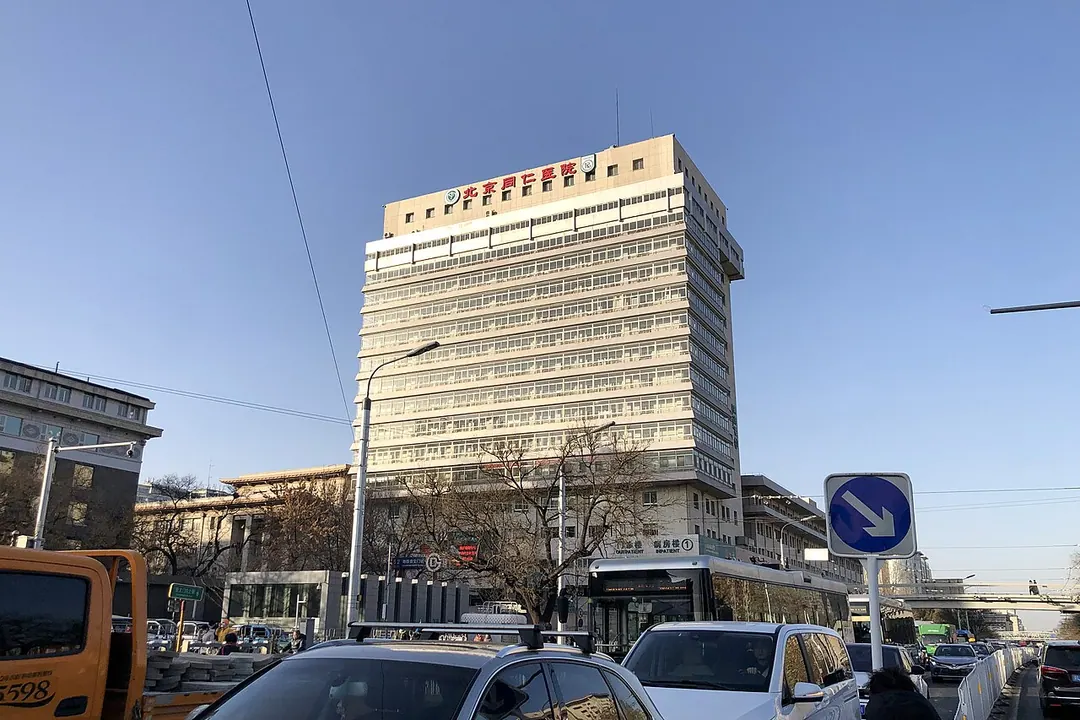
首都医科大学附属北京同仁医院
Plan a visit to Beijing Tongren Hospital, Capital Medical University in Beijing: clinical services, campus choice, booking access, preparation and questions to confirm with the hospital.
Need help with appointment arrangements? Include your chosen hospitals and departments in an enquiry.
Match the department in your existing referral to the hospital directory, then check the doctor's published scope and clinic schedule.
Department directory ↗The hospital's current website provides separate pages for WeChat mini-program appointments, on-site appointments and booking instructions. Some articles retain older publication dates; reconfirm requirements before travel.
Read appointment information ↗Keep previous eye or hearing tests and operation summaries available. Ask whether the visit involves tests that affect how you travel home, and whether an accompanying adult is recommended by the clinic.
Beijing Tongren is a general hospital particularly associated with ophthalmology and ear, nose and throat care. These specialties contain different clinical units; an eye examination, a retinal consultation and an ENT appointment should not be treated as interchangeable bookings.
Browse department information and 2023 ranking specialty directions. A ranking direction may span several clinics; this is not the hospital's complete current directory. Confirm the receiving clinic and doctor schedule with the hospital.
Cornea and ocular-surface care
The corneal service covers corneal, conjunctival and scleral disease, dry eye and tear-drainage problems. It describes infectious corneal ulcers, congenital corneal opacity and ocular-surface reconstruction, alongside several types of corneal transplantation.
For a planned opinion, ask which earlier eye examinations, operation notes and current eye-drop details are needed. A transplant assessment does not confirm eligibility, tissue availability or a procedure date.
Official department information ↗Glaucoma review
Glaucoma is a separate ophthalmic subspecialty. The hospital describes open-angle and angle-closure disease and work on difficult glaucoma, including malignant glaucoma, rather than treating every pressure-related eye problem through a general eye clinic.
For continuing care, ask about earlier visual-field tests, optic-nerve images, pressure records and eye-drop history. Confirm the correct clinic; sudden painful vision loss requires urgent assessment.
Official department information ↗Cataract assessment
The cataract centre describes routine and complex cataracts, including congenital cataracts, uveitis-associated cataracts and lens subluxation. Its service includes day surgery and assessment of intraocular-lens options.
Confirm whether the visit is for an adult or child and disclose prior eye surgery. Ask about the preoperative assessment, lens discussion and postoperative visits before arranging travel; a clinic appointment is not a confirmed surgical slot.
Official department information ↗Strabismus, amblyopia and children's vision
This service covers strabismus, amblyopia and refractive problems in children, vision training after childhood eye disease, visual fatigue and accommodation/convergence disorders. It also describes assessment of double vision and complex strabismus.
Bring the history of glasses, patching or earlier surgery and ask which previous vision measurements are useful. Clarify whether the visit is for diagnosis, surgical assessment or rehabilitation; the follow-up schedule may extend beyond one trip.
Official department information ↗Orbital disease and eye tumours
The orbital and ocular-tumour service describes multidisciplinary teams for cranio-orbital tumours, retinoblastoma, ocular-adnexal lymphoma and difficult orbital inflammatory disease. Its work includes complex lesions extending between the orbit, skull and nose.
Ask how original orbital/brain images and any pathology should be reviewed before a second opinion. Confirm the relevant campus, age group and whether several specialties need to assess the case.
Official department information ↗Paediatric retinal disease
The paediatric-retina service describes inherited vitreoretinal disease, retinopathy of prematurity, infection-related retinal disease and childhood eye trauma. Examination, retinal imaging and procedures may be coordinated according to the child's clinical needs.
State the child's age and established referral. Ask which birth/prematurity records and prior retinal images are needed, and whether an anaesthetic assessment is required. Time-sensitive infant eye care should follow the referring team's schedule.
Official department information ↗Low vision and visual rehabilitation
The low-vision service combines assessment of visual function, low-vision care, fitting of visual aids and functional vision training. It is a rehabilitation route for everyday visual tasks, distinct from an appointment to investigate or operate on the underlying eye disease.
Explain which daily activities are difficult and bring current glasses or visual aids. Ask about assessment length, trial fittings and follow-up training so that rehabilitation can continue after the visit.
Official department information ↗Start with records you already have; do not arrange extra tests for an enquiry. The hospital confirms its own requirements.
Existing records: Existing eye reports/images, prescription details and previous eye-operation or lens-implant information.
When booking: Confirm the relevant retina, glaucoma, cataract, cornea, refractive or children's clinic and the patient's age range.
Next steps: Ask whether examination, imaging and consultation are separate appointments and whether an escort is needed after the planned examination.
Ear surgery and hearing reconstruction
The ear service combines neuro-otology and microscopic ear surgery. Published areas include facial and hearing-nerve disease, inner-ear disorders, cochlear implants, middle-ear reconstruction and congenital outer/middle-ear malformations.
Ask which audiology, temporal-bone images and previous operation or device records are required. Confirm whether the appointment is for hearing assessment, surgery or implant follow-up, and check the receiving campus.
Official department information ↗Nose, sinus and related skull-base disease
The rhinology service describes chronic sinusitis with nasal polyps, allergic rhinitis, nasal/skull-base tumours and conditions involving both nose and eye. This is a specific ENT pathway rather than a general allergy-testing service.
For a planned review, ask about earlier sinus CT, endoscopy, pathology and treatment history. Tell the clinic about previous nasal or skull-base surgery and confirm whether a combined specialty review is needed.
Official department information ↗Throat, voice and sleep services
The throat service covers pharyngeal, laryngeal and tracheal/oesophageal conditions. Its published areas include minimally invasive throat procedures, sleep medicine, voice medicine and reconstruction of laryngeal function.
Choose the relevant pathway using the established diagnosis and ask about earlier laryngoscopy, sleep studies or operative records. Check whether testing needs a separate booking or overnight stay.
Official department information ↗Start with records you already have; do not arrange extra tests for an enquiry. The hospital confirms its own requirements.
Existing records: Existing hearing/balance tests, endoscopy reports, scans and hearing-device information where relevant.
When booking: Distinguish ear/hearing, nose/sinus, voice/throat, head-and-neck and children's services.
Next steps: Ask whether specialist testing, device adjustment or therapy needs a later visit and which campus performs it.
Official department information ↗
Find these departments on the hospital website
Paediatrics and childhood-tumour teams
Paediatrics separates common childhood conditions, newborn care, intensive care and blood/tumour services. Published tumour work includes multidisciplinary care for retinoblastoma, head-and-neck soft-tissue sarcomas, neuroblastoma and hepatoblastoma.
For a planned tumour opinion, confirm the paediatric team rather than assuming an eye or ENT appointment covers systemic treatment. Ask about pathology, staging and prior treatment records, the child's age and guardian requirements.
Official department information ↗Start with records you already have; do not arrange extra tests for an enquiry. The hospital confirms its own requirements.
Existing records: The child's earlier clinical records, growth/development information and previous operations or treatments.
When booking: Give the child's age and confirm paediatric medicine, surgery or a named subspecialty, plus guardian and identity requirements.
Next steps: Ask how examinations and follow-up are arranged and whether both consultation and procedures occur at the same campus.
Official hospital information ↗
Find these departments on the hospital website
Anaesthetic assessment for eye and ENT procedures
Anaesthesia supports the hospital's surgical services, with specific experience described in complex eye and ENT procedures, including children. Its outpatient service provides preoperative evaluation, pain care and follow-up when required.
Ask the surgical team when assessment is required and provide previous anaesthetic reactions and current medicines. The hospital must set fasting, medication and escort requirements for the planned procedure.
Official department information ↗Start with records you already have; do not arrange extra tests for an enquiry. The hospital confirms its own requirements.
Existing records: The planned procedure, current medicines and allergies, and previous anaesthetic or airway problems.
When booking: Ask the procedural team how pre-anaesthetic assessment is booked and whether a separate clinic is required.
Next steps: Obtain fasting, medicine, escort and recovery instructions from the hospital for the exact procedure; do not apply a generic preparation schedule.
Official hospital information ↗
Find these departments on the hospital website
Driver medical certificates at Yizhuang
Beijing's public-service directory lists driver medical examinations and physical-condition certificates at Tongren's Yizhuang health-management centre. This listing excludes C5 licences and monocular-vision assessments; a licence certificate is distinct from a comprehensive health check.
Confirm the exact licence purpose, accepted identification and current appointment procedure with the centre. For general screening rather than a driving certificate, ask separately about the appropriate package and report review.
Official department information ↗Start with records you already have; do not arrange extra tests for an enquiry. The hospital confirms its own requirements.
Existing records: Previous screening results, existing diagnoses, current medicines and any employer or insurer form.
When booking: Clarify screening versus assessment of an existing problem, package exclusions, report language and any identity requirements.
Next steps: Ask about preparation, report delivery, clinician interpretation and the route for any further referral before purchasing a package.
Official hospital information ↗
Find these departments on the hospital website
Radiology and head-and-neck imaging
Radiology provides whole-body X-ray, CT and MRI with a specific head-and-neck focus. Its groups combine neuro/eye, chest/nose/throat, abdominal/musculoskeletal/ear and emergency imaging, alongside a separate interventional team.
Confirm whether you need a scan, specialist review of prior images or an interventional opinion. Ask about original image files, the exact examination and campus; each route has different booking and preparation requirements.
Official department information ↗Start with records you already have; do not arrange extra tests for an enquiry. The hospital confirms its own requirements.
Existing records: The requested examination, earlier original images and reports, plus any implant information relevant to screening.
When booking: Confirm CT, MRI, plain imaging or an interventional opinion and whether the request must be issued by a hospital clinician.
Next steps: Ask about contrast/safety preparation, image export and report review. A scan slot does not include an intervention or a specialist diagnosis.
Official hospital information ↗
Find these departments on the hospital website
Allergy and nasal-allergy care
The allergy department has a nasal-allergy clinic/ward pathway and works with eye, respiratory, skin and paediatric specialists for complex allergic disease. It describes allergen investigations, nasal and smell-function assessment, and long-term management.
Explain the previously diagnosed allergy and bring existing test and treatment details. Ask the clinic about preparation for any planned testing; do not stop medicines without its instructions. Continuing immunotherapy needs a separate continuity plan.
Official department information ↗Start with records you already have; do not arrange extra tests for an enquiry. The hospital confirms its own requirements.
Existing records: Previous reaction and testing records, relevant medicines and any existing emergency-management instructions.
When booking: Confirm the patient's age and whether the clinic covers nasal, skin, respiratory, food or medicine-related allergy.
Next steps: Ask about test preparation directly with the team; do not stop medicines or try an exposure yourself to prepare for the visit.
Official hospital information ↗
Find these departments on the hospital website
Hospital charges are separate from our coordination fee. Compare costs for the same clinic, campus and service pathway, and ask the hospital for an estimate that includes planned tests and follow-up.
Check passport registration, phone and language requirements, then the registration or consultation fee, doctor category and cancellation conditions. Confirm separate test, medicine and treatment charges.
Confirm the specialty, campus, consultation charge and any separate language-support fee. Ordinary outpatient prices do not establish the total for this pathway.
Check direct billing, pre-authorisation, deposits, your own contribution, payment methods and receipts with the hospital and insurer. Request a dated estimate with currency and inclusions.
An eye appointment and an ENT appointment follow different clinics; check Chongwenmen versus Yizhuang on the confirmation. For follow-up after a procedure elsewhere, ask which prior measurements or operative summary the clinic needs.
Use the official confirmation to organise each step; keep any unresolved arrangements on a separate checklist.
Hospital and specialty-level results, not a rating of an individual doctor or campus. Nominations have no numerical rank.
Independent planning information. Listing a hospital does not imply a partnership, endorsement or guaranteed access. Hospitals decide whether they can accept a request and which clinical services are appropriate.
Your next step
Tell us what help you need. City and dates can be decided later. We aim to reply within 24 hours, Monday–Sunday, Beijing time (UTC+8).
No booking or payment is made by enquiring. Please do not send medical records or passport copies by email or WeChat.
