
1. Find the receiving clinic
Match the department in your existing referral to the hospital directory, then check the doctor's published scope and clinic schedule.
Official hospital information ↗Beijing hospital guide
首都医科大学附属北京天坛医院
Plan a visit to Beijing Tiantan Hospital, Capital Medical University in Beijing: clinical services, campus choice, booking access, preparation and questions to confirm with the hospital.
Need help with appointment arrangements? Include your chosen hospitals and departments in an enquiry.
Match the department in your existing referral to the hospital directory, then check the doctor's published scope and clinic schedule.
Official hospital information ↗The city guide lists the Beijing Tiantan Hospital app and official WeChat service account. The international centre is listed at the Fengtai site; verify the clinic and check-in location on the actual confirmation.
Read appointment information ↗Organise prior CT or MRI images, reports and a concise symptom or treatment timeline for the clinic to review. Ask about secure transfer of large imaging files before sending them.
Beijing Tiantan Hospital's International Medical Center has a neuroscience focus, including neurosurgery, neurology, neuropsychology and neurological intervention. It also publishes joint consultations across departments. A neurology consultation and a surgical opinion are different services, even for the same diagnosis.
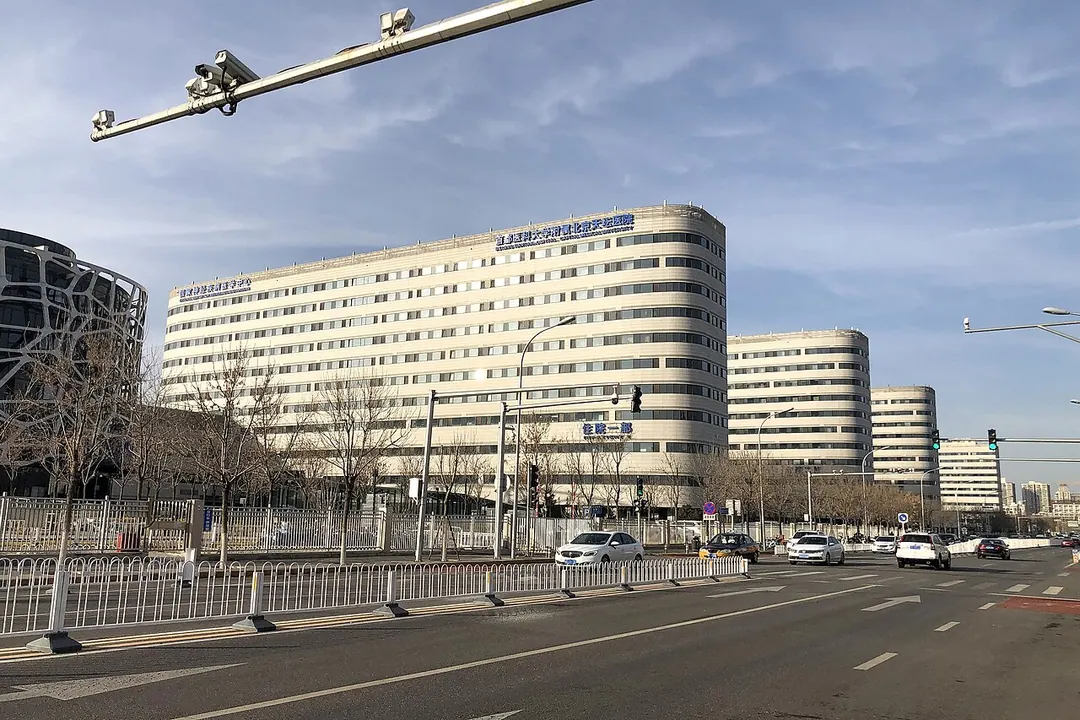
Browse department information and 2023 ranking specialty directions. A ranking direction may span several clinics; this is not the hospital's complete current directory. Confirm the receiving clinic and doctor schedule with the hospital.
Neurosurgery: tumour, vascular and spinal teams
The centre separates brain vascular surgery and intervention, skull-base and brainstem tumours, glioma, paediatric neurosurgery, spinal cord/spine surgery, functional surgery and peripheral nerve surgery. These are distinct clinical teams rather than a single general neurosurgery queue.
Bring original MRI/CT images, pathology if available and earlier surgery or radiotherapy summaries. Ask which team should review the case before arranging travel; a consultation does not confirm surgery.
Official department information ↗Neurology: stroke, epilepsy, movement and memory disorders
Neurology has separate services for cerebrovascular disease, epilepsy, Parkinsonian/movement disorders, cognitive disorders, headache, neuroimmunology and neuromuscular disease. The epilepsy service includes medication review and pre-surgical assessment; the memory service includes neuropsychological assessment.
Choose the clinic around the main problem. For seizures, bring earlier EEGs and a seizure/medicine timeline; for memory concerns, attend with someone who knows the patient's daily functioning. Sudden neurological symptoms require emergency care.
Official department information ↗Start with records you already have; do not arrange extra tests for an enquiry. The hospital confirms its own requirements.
Existing records: Original brain/spine images, existing EEG or nerve studies, and a timeline of treatment or operations.
When booking: Confirm neurology, neurosurgery or rehabilitation and the relevant disease group; a scan finding alone does not choose the clinic.
Next steps: Ask about mobility assistance, an accompanying person and arrangements for additional investigations. Sudden neurological symptoms need urgent assessment.
Official department information ↗
Find these departments on the hospital website
Neurocritical care
The ICU focuses on severe neurological illness, including major head injury, subarachnoid or intracerebral haemorrhage, serious intracranial infection and severe complications after neurosurgery. Intensive-care admission is a clinical referral and transfer decision.
The treating hospital should communicate the current condition, organ support, recent scans and infection results directly with the receiving team. Do not move an unstable patient on an ordinary appointment arrangement.
Official department information ↗Start with records you already have; do not arrange extra tests for an enquiry. The hospital confirms its own requirements.
Existing records: Current treatment and transfer documents are exchanged between the treating and receiving clinical teams.
When booking: ICU is an inpatient service, not a routine outpatient appointment. Bed availability and safe transfer require clinical agreement.
Next steps: For emergencies in China call 120. Do not wait for a coordination enquiry or arrange an independent transfer on the basis of a directory entry.
Official hospital information ↗
Find these departments on the hospital website
Neurosurgical anaesthesia and perioperative care
Anaesthesia supports brain and spinal procedures, including awake surgery and intraoperative neurophysiological monitoring, as well as other operations and procedural sedation. Postoperative pain care is part of its published service.
Tell the team about previous anaesthesia problems, airway or sleep-breathing conditions and every current medicine. Obtain procedure-specific fasting and medicine instructions from the hospital; do not stop medicines independently.
Official department information ↗Start with records you already have; do not arrange extra tests for an enquiry. The hospital confirms its own requirements.
Existing records: The planned procedure, current medicines and allergies, and previous anaesthetic or airway problems.
When booking: Ask the procedural team how pre-anaesthetic assessment is booked and whether a separate clinic is required.
Next steps: Obtain fasting, medicine, escort and recovery instructions from the hospital for the exact procedure; do not apply a generic preparation schedule.
Official hospital information ↗
Find these departments on the hospital website
Medication review and treatment monitoring
Clinical pharmacy describes joint clinics for anticoagulation, epilepsy, smoking/COPD, pain and personalised medication, alongside medication-therapy management and therapeutic drug monitoring. The service helps review medicine use rather than replacing the relevant disease clinic.
Bring medicine packages or clear generic names, doses, dose times, supplements and previous adverse reactions. For drug-level testing, ask about sampling relative to the last dose before attending.
Official department information ↗Start with records you already have; do not arrange extra tests for an enquiry. The hospital confirms its own requirements.
Existing records: A complete medicine/supplement list with doses, original labels if available, and any recorded adverse reactions.
When booking: Confirm a patient-facing pharmacist clinic and whether a referral is needed. Medicine dispensing and medication review are different services.
Next steps: Ask how the pharmacist's review is shared with the prescriber and what follow-up is available; treatment changes remain a clinical decision.
Official hospital information ↗
Find these departments on the hospital website
Clinical laboratory and molecular diagnostics
The laboratory includes blood/body-fluid and coagulation testing, biochemistry/immunology, microbiology, molecular diagnostics, mass spectrometry and autoimmune-disease testing. Test selection belongs to the clinician assessing the patient.
Bring the doctor's request and previous results with units and reference intervals. Confirm fasting, specimen collection and expected reporting time for the actual ordered tests rather than requesting a broad panel yourself.
Official department information ↗Start with records you already have; do not arrange extra tests for an enquiry. The hospital confirms its own requirements.
Existing records: The clinician's exact test request and earlier comparable results, with dates and units.
When booking: Confirm sampling location, appointment requirements and any preparation directly with the laboratory or requesting team.
Next steps: Ask about processing time, online/printed results and the clinician responsible for interpretation. A laboratory listing is not a consultation.
Official hospital information ↗
Find these departments on the hospital website
Neuroradiology and diagnostic imaging
Radiology has a particular focus on neurological imaging and provides CT, MRI and angiographic imaging. The published clinical team includes expertise in brain tumours, cerebrovascular disease and head injury, with additional body-imaging services.
Bring original DICOM images as well as reports. Before MRI or contrast imaging, disclose implants, previous contrast reactions and relevant kidney-function results; ask whether outside imaging review is sufficient before repeating scans.
Official department information ↗Start with records you already have; do not arrange extra tests for an enquiry. The hospital confirms its own requirements.
Existing records: The requested examination, earlier original images and reports, plus any implant information relevant to screening.
When booking: Confirm CT, MRI, plain imaging or an interventional opinion and whether the request must be issued by a hospital clinician.
Next steps: Ask about contrast/safety preparation, image export and report review. A scan slot does not include an intervention or a specialist diagnosis.
Official hospital information ↗
Find these departments on the hospital website
Vascular, organ and interventional ultrasound
Ultrasound covers abdominal, obstetric/gynaecological, cardiac, peripheral vascular, superficial-organ and musculoskeletal assessment. It also describes contrast, transcranial, transoesophageal and interventional ultrasound; these examinations serve different clinical questions.
Confirm the exact examination on the referral and whether fasting, bladder preparation or a separate procedure assessment is needed. Bring prior vascular or organ imaging for comparison.
Official department information ↗Start with records you already have; do not arrange extra tests for an enquiry. The hospital confirms its own requirements.
Existing records: The exact examination request and previous comparable ultrasound or imaging reports.
When booking: Distinguish routine scanning, cardiac/obstetric assessment and ultrasound-guided procedures; these may use different teams.
Next steps: Confirm preparation and result collection. A diagnostic scan booking does not reserve biopsy, drainage or other treatment.
Official hospital information ↗
Find these departments on the hospital website
General practice and continuing care
General practice runs its own outpatient and inpatient services and links hospital specialists with community family-doctor care. It is useful for integrated review and follow-up when several health problems need to be considered together.
Prepare one consolidated diagnosis and medicine list, recent discharge summaries and the main questions you want resolved. Check whether the proposed follow-up programme applies to visitors or requires local community enrolment.
Official department information ↗Start with records you already have; do not arrange extra tests for an enquiry. The hospital confirms its own requirements.
Existing records: A short list of the questions to resolve, existing diagnoses, medicines and relevant earlier results.
When booking: Confirm whether the clinic accepts first visits, provides continuing care or primarily receives referrals from community services.
Next steps: Ask how recommendations, further tests and specialist referrals will be coordinated, and who will follow up results.
Official hospital information ↗
Find these departments on the hospital website
Head, spinal and neuropathic pain
The pain service describes trigeminal neuralgia, migraine and other head/facial pain, neck and lower-back pain, post-herpetic neuralgia, phantom-limb pain and degenerative joint pain. It offers assessment for selected injection and minimally invasive procedures.
Record pain location, triggers, duration and earlier treatment responses. Bring relevant spine/joint scans and disclose anticoagulants before a procedure discussion; assessment does not mean an injection is appropriate.
Official department information ↗Start with records you already have; do not arrange extra tests for an enquiry. The hospital confirms its own requirements.
Existing records: Previous diagnoses, pain-treatment and procedure records, relevant images and current medicines.
When booking: Confirm chronic-pain clinic versus surgical pre-anaesthetic assessment, including the body area and previous referral.
Next steps: Ask whether assessment and any procedure are on separate days and how follow-up is arranged. A consultation does not preselect an injection or other treatment.
Official hospital information ↗
Find these departments on the hospital website
Inherited neurological and neuromuscular disorders
The neuromuscular service explicitly covers peripheral neuropathies, muscle diseases, white-matter disease and inherited neurological disorders, supported by electrophysiology, neuromuscular pathology and a molecular genetic diagnostic laboratory. This is a neurological pathway, not an all-specialty rare-disease clinic.
Bring existing genetic reports with variant details, muscle/nerve biopsy reports, EMG results and a family history. Ask whether original specimens or a relative's records are needed before travelling.
Official department information ↗Start with records you already have; do not arrange extra tests for an enquiry. The hospital confirms its own requirements.
Existing records: A concise diagnostic timeline, existing genetic/pathology reports and previous specialist opinions.
When booking: Ask which disease or organ team accepts the case and whether records should be reviewed before a multidisciplinary appointment.
Next steps: Confirm who coordinates further review, counselling and follow-up. A rare-disease designation does not mean every rare condition is treated there.
Official hospital information ↗
Find these departments on the hospital website
Hospital charges are separate from our coordination fee. Compare costs for the same clinic, campus and service pathway, and ask the hospital for an estimate that includes planned tests and follow-up.
Check passport registration, phone and language requirements, then the registration or consultation fee, doctor category and cancellation conditions. Confirm separate test, medicine and treatment charges.
Confirm the specialty, campus, consultation charge and any separate language-support fee. Ordinary outpatient prices do not establish the total for this pathway.
Check direct billing, pre-authorisation, deposits, your own contribution, payment methods and receipts with the hospital and insurer. Request a dated estimate with currency and inclusions.
Distinguish neurology, neurosurgery and rehabilitation. Confirm the Fengtai campus and the ordinary or international pathway. If reviewing outside imaging, ask how the hospital can access the files and whether an additional assessment is needed.
Use the official confirmation to organise each step; keep any unresolved arrangements on a separate checklist.
Hospital and specialty-level results, not a rating of an individual doctor or campus. Nominations have no numerical rank.
Independent planning information. Listing a hospital does not imply a partnership, endorsement or guaranteed access. Hospitals decide whether they can accept a request and which clinical services are appropriate.
Your next step
Tell us what help you need. City and dates can be decided later. We aim to reply within 24 hours, Monday–Sunday, Beijing time (UTC+8).
No booking or payment is made by enquiring. Please do not send medical records or passport copies by email or WeChat.
