
1. Find the receiving clinic
Match the department in your existing referral to the hospital directory, then check the doctor's published scope and clinic schedule.
Official hospital information ↗Beijing hospital guide
首都医科大学附属首都儿童医学中心(首都儿科研究所)
Plan a visit to Capital Children's Medical Center, Capital Medical University (Capital Institute of Pediatrics) in Beijing: clinical services, campus choice, booking access, preparation and questions to confirm with the hospital.
Need help with appointment arrangements? Include your chosen hospitals and departments in an enquiry.
Match the department in your existing referral to the hospital directory, then check the doctor's published scope and clinic schedule.
Official hospital information ↗Use the hospital's official WeChat service account, Beijing 114, a clinician-arranged follow-up or community referral. Register in the child's name. After collecting the booking, check in again at the clinic's kiosk or triage desk. The published age limits are 0–18 for ordinary clinics and no more than 90 days for neonatal medicine; confirm the exact clinic before booking.
Read appointment information ↗For your visit to Capital Children's Medical Center, Capital Medical University (Capital Institute of Pediatrics), keep your booking confirmation and original identity document available. Prepare a list of existing reports and your questions; send files only through a channel approved by the receiving team. Ask the clinician about any test preparation.
Capital Children's Medical Center, Capital Medical University (Capital Institute of Pediatrics) is listed here for Beijing. Its entries in the 2023 specialty reputation archive include paediatric surgery, paediatrics, allergy, rare diseases. The specialty links below distinguish national ranks, regional ranks and nominations; they do not establish current clinic availability. Use the official reference to identify the institution and its current patient service.
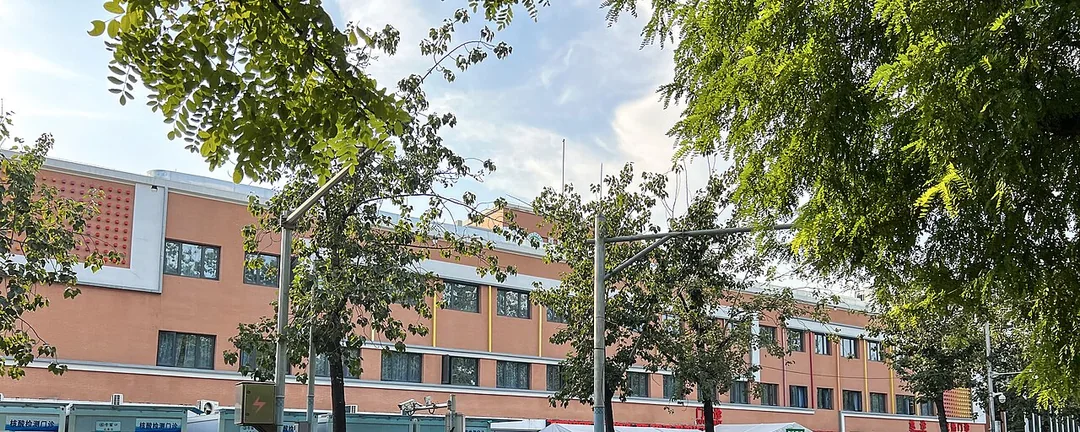
Browse department information and 2023 ranking specialty directions. A ranking direction may span several clinics; this is not the hospital's complete current directory. Confirm the receiving clinic and doctor schedule with the hospital.
Neonatal care and premature-infant follow-up
Neonatology provides critical neonatal care and multidisciplinary support, and explicitly describes developmental care, feeding support and structured follow-up after premature infants leave hospital. An unstable newborn needs a medically coordinated transfer.
For follow-up, bring gestational age, birth/discharge records, growth charts, feeding details and screening results. Confirm corrected-age assessment and whether other paediatric specialists should be booked together.
Official department information ↗Start with records you already have; do not arrange extra tests for an enquiry. The hospital confirms its own requirements.
Existing records: The child's earlier clinical records, growth/development information and previous operations or treatments.
When booking: Give the child's age and confirm paediatric medicine, surgery or a named subspecialty, plus guardian and identity requirements.
Next steps: Ask how examinations and follow-up are arranged and whether both consultation and procedures occur at the same campus.
Official hospital information ↗
Find these departments on the hospital website
Childhood allergy, asthma and chronic cough
Allergy runs separate childhood allergy, asthma, chronic-cough and immunotherapy clinics. Published services include skin/serum allergen testing, age-appropriate lung function and dust-mite immunotherapy, alongside food, skin and nasal allergy assessment.
Bring reaction and exposure history, prior testing, inhalers and current medicines. Confirm test preparation and the commitment required for repeated immunotherapy visits; do not restrict foods or stop treatment on your own.
Official department information ↗Start with records you already have; do not arrange extra tests for an enquiry. The hospital confirms its own requirements.
Existing records: Previous reaction and testing records, relevant medicines and any existing emergency-management instructions.
When booking: Confirm the patient's age and whether the clinic covers nasal, skin, respiratory, food or medicine-related allergy.
Next steps: Ask about test preparation directly with the team; do not stop medicines or try an exposure yourself to prepare for the visit.
Official hospital information ↗
Find these departments on the hospital website
Childhood neurogenetic and metabolic disorders
Neurology has dedicated neurogenetic/metabolic rare-disease and neuromuscular subspecialties, alongside epilepsy and neuroimmune care. Its diagnostic support includes EEG, EMG and other neurophysiology; complex cases can require multiple specialties.
Bring full genetic/metabolic reports, developmental milestones, seizure history, neuroimaging and a family history. Ask whether to begin with neurology or the hospital's rare-disease multidisciplinary clinic.
Official department information ↗Start with records you already have; do not arrange extra tests for an enquiry. The hospital confirms its own requirements.
Existing records: A concise diagnostic timeline, existing genetic/pathology reports and previous specialist opinions.
When booking: Ask which disease or organ team accepts the case and whether records should be reviewed before a multidisciplinary appointment.
Next steps: Confirm who coordinates further review, counselling and follow-up. A rare-disease designation does not mean every rare condition is treated there.
Official hospital information ↗
Find these departments on the hospital website
Paediatric hip, limb and spine conditions
Paediatric orthopaedics describes developmental hip dysplasia, clubfoot, scoliosis, slipped capital femoral epiphysis, Perthes disease and childhood fractures. Growth stage is central to choosing observation, casting or surgery.
Bring serial imaging, prior casts/operations and growth information. Confirm the child's age and the relevant hip, spine or limb clinic; an imaging abnormality alone does not establish a need for surgery.
Official department information ↗Start with records you already have; do not arrange extra tests for an enquiry. The hospital confirms its own requirements.
Existing records: The child's earlier clinical records, growth/development information and previous operations or treatments.
When booking: Give the child's age and confirm paediatric medicine, surgery or a named subspecialty, plus guardian and identity requirements.
Next steps: Ask how examinations and follow-up are arranged and whether both consultation and procedures occur at the same campus.
Official hospital information ↗
Find these departments on the hospital website
Hospital charges are separate from our coordination fee. Compare costs for the same clinic, campus and service pathway, and ask the hospital for an estimate that includes planned tests and follow-up.
Check passport registration, phone and language requirements, then the registration or consultation fee, doctor category and cancellation conditions. Confirm separate test, medicine and treatment charges.
Confirm the specialty, campus, consultation charge and any separate language-support fee. Ordinary outpatient prices do not establish the total for this pathway.
Check direct billing, pre-authorisation, deposits, your own contribution, payment methods and receipts with the hospital and insurer. Request a dated estimate with currency and inclusions.
Check the clinic's age limits, guardian documentation and whether the consultation and any tests use the same campus. Plan time for the family to collect results and receive the clinician's follow-up instructions.
Use the official confirmation to organise each step; keep any unresolved arrangements on a separate checklist.
Hospital and specialty-level results, not a rating of an individual doctor or campus. Nominations have no numerical rank.
Independent planning information. Listing a hospital does not imply a partnership, endorsement or guaranteed access. Hospitals decide whether they can accept a request and which clinical services are appropriate.
Your next step
Tell us what help you need. City and dates can be decided later. We aim to reply within 24 hours, Monday–Sunday, Beijing time (UTC+8).
No booking or payment is made by enquiring. Please do not send medical records or passport copies by email or WeChat.
